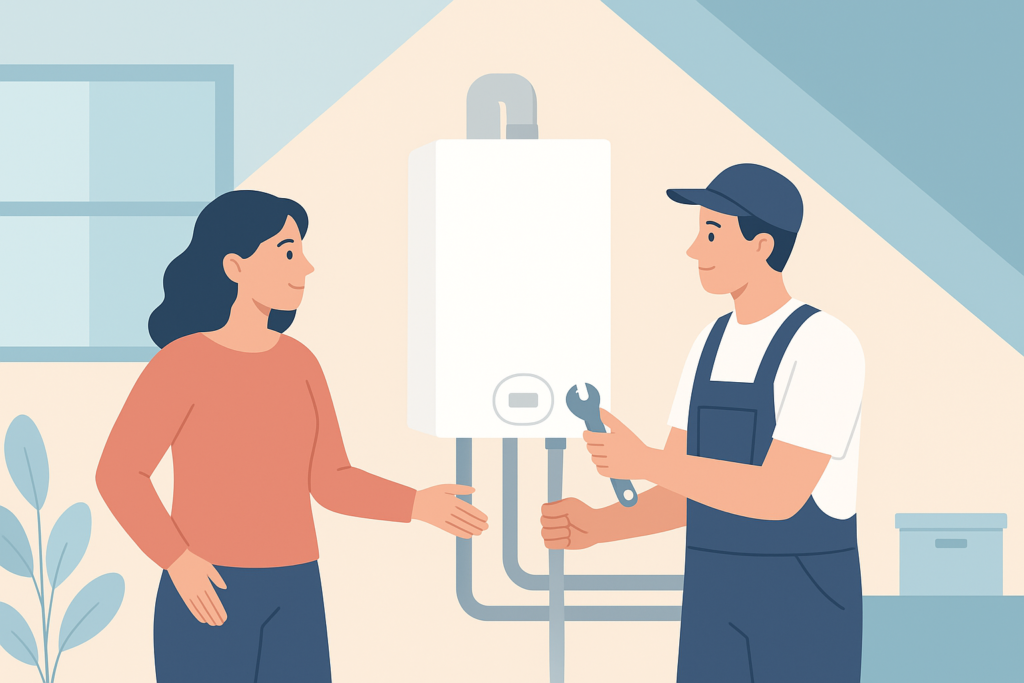
It’s one of the questions we get asked a lot, especially when space is tight downstairs. Can you actually install a boiler in the loft?
The short answer is yes, in many cases you can. Modern boilers are compact and sealed, which makes them far more suitable for loft spaces than older systems ever were. However, it’s not quite as simple as lifting a new boiler into the roof and switching it on. There are regulations, access rules and practical considerations to think about.
If you’re speaking to central heating engineers in Beverley homeowners trust, they’ll usually start by asking about roof access, loft boarding and whether there’s adequate lighting up there already.
Here’s what you need to know before deciding whether a loft installation is right for your home.

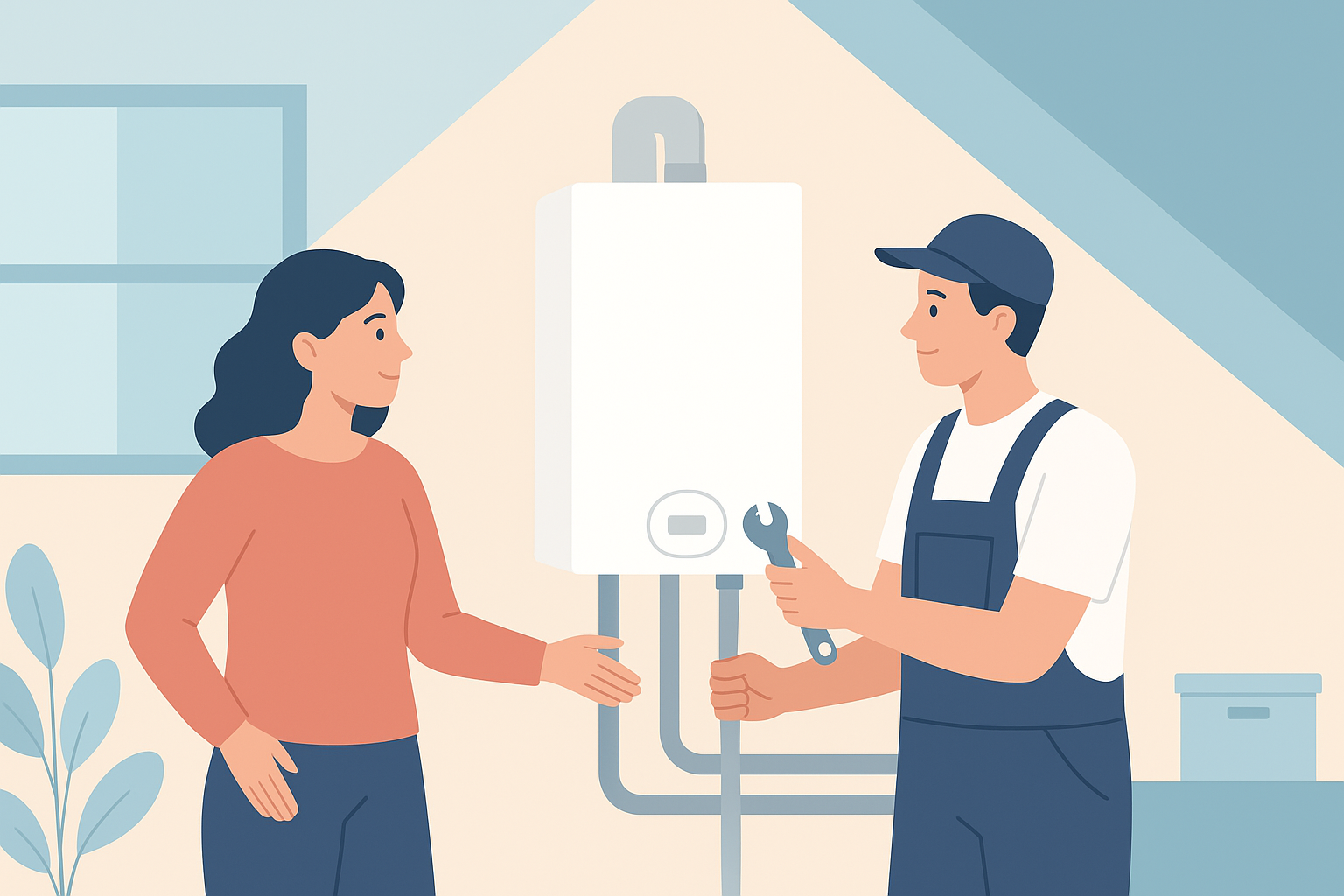
Can a Boiler Be Installed in a Loft?
In most modern UK homes, a combi or system boiler can be installed in the loft provided the space meets certain requirements. This applies to properties across Beverley, Bridlington and even larger homes over in Scunthorpe, where freeing up cupboard space is often a key reason for relocating a boiler.
Older regular boilers were often installed in airing cupboards or dedicated spaces because of their size and the need for tanks. Today’s wall-mounted boilers are smaller and fully sealed, which gives homeowners more flexibility.
That said, feasibility depends on:
- Head height and working clearance around the boiler
- Safe and permanent access via a loft ladder or fixed stairs
- Adequate flooring or boarding
- Lighting installed in the loft
- Provision for condensate pipe insulation to prevent freezing
One thing we often see locally is lofts that are partly boarded for storage but not designed to take the weight of regular foot traffic. Before any boiler goes in, the area must be properly prepared so future servicing can be carried out safely.
Regulations and Safety Requirements for Loft Installations
Gas boiler installations in lofts must comply with Building Regulations and Gas Safe guidelines. This is non-negotiable.
Access is probably the biggest legal requirement that surprises people. You can’t just rely on a set of loose steps pulled down from a hatch. There must be:
- A fixed loft ladder
- A safe working platform
- Permanent lighting
- Sufficient space around the appliance for servicing
If an engineer cannot safely reach and work on the boiler, it does not meet regulations. It’s as simple as that.
Another key point is frost protection. Because lofts get cold in winter, condensate pipes must be properly insulated. We’ve attended plenty of winter callouts in places like Bridlington where poorly insulated condensate pipes have frozen solid during a cold snap.
You’ll also need correct flue positioning. Depending on your roof structure, the flue may exit through the roof rather than the wall, which requires careful planning and compliance with clearances.
It’s always worth choosing an installer accredited with leading manufacturers such as Worcester or Ideal. You can learn more about our Worcester accredited and Ideal accredited status if you’re comparing options.
Pros and Cons of Installing a Boiler in a Loft
The Benefits
There are clear advantages to moving a boiler upstairs.
- Frees up kitchen or airing cupboard space
- Keeps boiler noise away from living areas
- Can make pipework neater in some layouts
- Often works well during full renovations
In homes where kitchen units have been reconfigured or extended, relocating the boiler to the loft can create a cleaner finish overall.
The Drawbacks
However, it is not always the most practical option.
- Servicing requires climbing into the loft
- Cold weather protection is essential
- Installation can be more labour-intensive
- Future repairs may take longer if access is restricted
Many homeowners don’t mind the loft location at first, but later find it slightly inconvenient when it comes to annual servicing. If you’re moving the boiler purely for appearance rather than necessity, it’s worth weighing that up.
Costs, Maintenance, and When It’s the Right Choice
Relocating a boiler to the loft tends to cost more than a like-for-like replacement in the same position. That’s because pipework often needs extending, the flue position may change and safe access may need to be installed.
If the loft already has proper boarding, lighting and a fixed ladder, the process is usually smoother. If not, those additional works need factoring into the budget.
From a maintenance point of view, loft boilers require the same annual service as any other appliance. Regular servicing reduces the risk of winter breakdowns and keeps your warranty valid. If you’re interested in long-term boiler care, you can find details about our service and repair support.
A loft installation is often the right choice when:
- You’re renovating and reconfiguring rooms
- Downstairs space is extremely limited
- The loft is already converted or easily accessible
- You want a neater, less visible setup
It may not be ideal if the loft is very low, poorly insulated or rarely accessed.
Every home is different. A Victorian terrace in Beverley will present very different challenges compared to a newer build on the edge of Scunthorpe. That’s why an on-site assessment is always the first step before making any decisions.
Ultimately, yes, you can install a boiler in a loft, but it needs to be done properly, safely and in line with regulations. A well-planned loft installation can work brilliantly and free up valuable living space. A rushed or poorly planned one will cause frustration for years.
If you’re considering relocating your boiler or fitting a new one anywhere across Beverley, Bridlington or Scunthorpe, the team at Advanced Gas Services LTD can assess your property and give straightforward advice tailored to your home.
Contact us today to arrange your boiler installation or get a quote for a new boiler.